Cooling Systems Built for Humid Summers
Central AC in Oyster Bay for homes facing uneven cooling or rising summer energy costs
High indoor humidity and afternoon temperatures above 85 degrees push air conditioning systems harder on Long Island than in drier climates. Smyth Plumbing, Inc installs central air conditioning, ductless mini splits, and air handlers throughout Oyster Bay, addressing both comfort problems and efficiency concerns. When existing systems fail to dehumidify properly or certain rooms stay warmer than others, equipment sizing, ductwork design, or refrigerant charge often need correction.
Central systems move cooled air through ductwork to multiple rooms, while mini splits deliver refrigerant directly to wall-mounted indoor units without ducts. Air handlers pair with heat pumps or AC condensers to distribute conditioned air, and their location affects noise levels and maintenance access. Each configuration suits different building layouts, with ductless systems solving cooling problems in additions or rooms distant from existing ductwork.
Arrange an on-site assessment to identify which cooling approach addresses your home's current performance gaps.
What Proper AC Installation Requires
Cooling capacity gets calculated using Manual J load calculations that account for window area, insulation values, ceiling height, and occupant count. Oversized equipment cools rooms quickly but shuts off before removing humidity, leaving air cold and clammy. Undersized systems run continuously during heat waves without reaching setpoint temperatures, stressing compressors and driving up electricity costs. Matching equipment capacity to actual cooling load prevents both extremes.
Once installation finishes, indoor humidity drops below 55 percent even on humid days, and temperature differences between rooms stay within two to three degrees. Ductwork sealed with mastic rather than standard tape prevents cooled air from escaping into attics or crawlspaces, directing full airflow to living areas. You notice condensate drains flowing steadily during operation, confirming the system removes moisture as designed rather than just recirculating chilled air.
Preventative maintenance includes checking refrigerant levels, cleaning coils, and inspecting electrical connections before cooling season begins. Refrigerant leaks reduce capacity gradually, often going unnoticed until the system fails completely during the hottest weeks. Indoor air quality improvements such as upgraded filters or UV lights install directly in ductwork, capturing particles and reducing biological growth on damp coil surfaces.
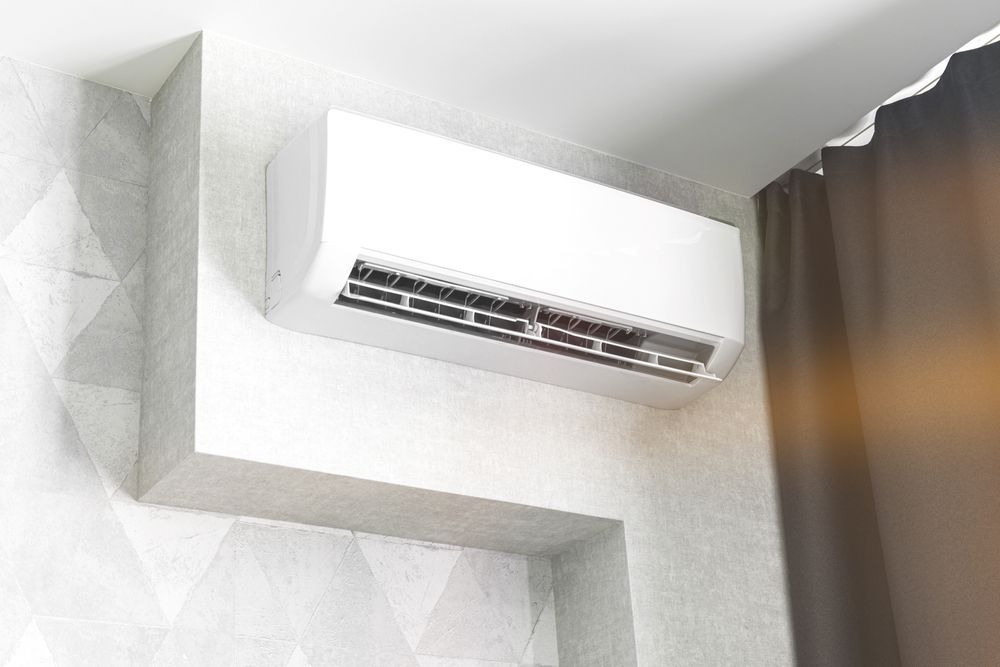
Selecting between cooling technologies and understanding maintenance requirements helps homeowners across Oyster Bay avoid premature equipment failure.
Answers to Frequent Cooling Questions
What determines whether ductless mini splits work better than central AC?
Homes without existing ductwork or with room additions avoid the cost and disruption of installing new ducts by using mini splits. Each indoor unit controls temperature independently, allowing different setpoints in bedrooms versus common areas, though outdoor condenser placement must account for noise near windows and property lines.
How does ductwork condition affect cooling performance in Oyster Bay homes?
Leaky or uninsulated ducts in attics lose 20 to 30 percent of cooled air before it reaches rooms, forcing systems to run longer and increasing energy bills. Sealing joints and wrapping ducts with insulation rated R-6 or higher recovers that lost capacity without replacing equipment.
When should air handlers receive service?
Annual inspections clean blower wheels that accumulate dust, check drain pans for clogs, and verify that dampers move freely. Restricted airflow from dirty blowers causes coils to freeze, blocking airflow completely and requiring system shutdown until ice melts.
What refrigerant level indicates proper charge?
Technicians measure superheat and subcooling rather than relying on gauge pressure alone, since ambient temperature affects pressure readings. Incorrect charge shows up as inadequate cooling, ice formation on lines, or compressors that overheat and cycle on thermal protection.
How long does a properly maintained central AC system last?
Equipment typically operates 12 to 15 years with annual maintenance, though coastal exposure to salt air can corrode coils faster. Replacing systems before complete failure allows scheduling during moderate weather rather than emergency service calls during heat waves.
Smyth Plumbing, Inc provides commercial HVAC repairs alongside residential installations, applying the same diagnostic methods to identify performance issues quickly. Contact our team to schedule AC service before summer temperatures peak and service demand increases.