
Consistent Warmth Without Noise or Drafts
Radiant Floor Heating in Oyster Bay for homes needing quiet, evenly distributed heat throughout winter
Smyth Plumbing, Inc installs and repairs radiant floor heating and baseboard heating systems across Oyster Bay and surrounding Long Island communities. Homeowners turn to hydronic heating when forced air systems create uneven temperatures or noisy operation. These systems deliver warmth through water circulated in tubing beneath floors or through baseboard units, eliminating cold spots and the dry air associated with traditional furnaces.
Radiant floor heating works by warming the floor surface itself, which then radiates heat upward through the room. Baseboard heating circulates hot water through metal fins along wall edges, creating convection currents that distribute warmth evenly. Both methods rely on a boiler or indirect water heater to supply consistent water temperature, and maintaining that equipment prevents temperature fluctuations during the coldest months.
Schedule a property evaluation to determine which hydronic heating configuration matches your home's layout and insulation characteristics.
Why Hydronic Systems Operate Differently Than Forced Air
Hydronic heating systems use water as the heat transfer medium rather than blowing heated air through ducts. The boiler heats water to a set temperature, then circulates it through closed-loop piping embedded in floors or running through baseboard units. Radiant floor systems typically operate at lower water temperatures than baseboard systems because the entire floor surface acts as one large radiator, while baseboard units concentrate heat transfer along wall perimeters where metal fins increase surface area.
After installation, you notice floors remain warm to the touch without burning, and rooms hold stable temperatures for hours even after the boiler cycles off. The thermal mass of concrete or wood subflooring stores heat, releasing it gradually as air temperatures drop. Baseboard systems respond faster to thermostat calls but require higher water temperatures, making them suitable for spaces where quick temperature adjustments matter more than silent operation.
Indirect water heaters in these systems serve dual purposes, heating both the home and providing domestic hot water from a single boiler. This configuration reduces equipment costs and floor space requirements compared to separate heating and water heating appliances, though it requires annual maintenance to prevent sediment buildup that reduces heat transfer efficiency.
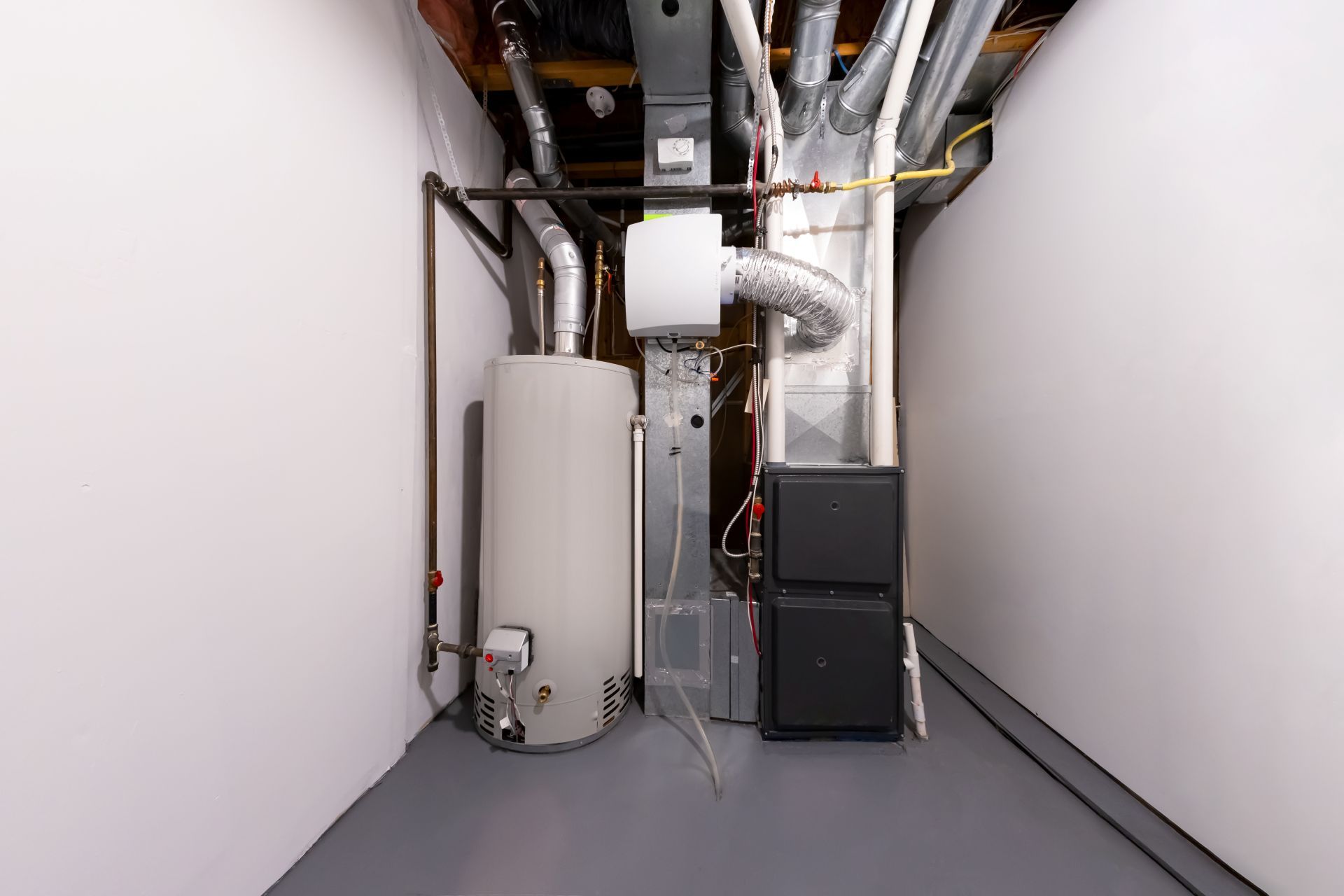
Decisions about radiant and hydronic heating systems often involve comparing installation requirements, operating characteristics, and long-term maintenance across different home layouts.
What Homeowners Want to Know Before Installation
What preparation does radiant floor heating require before installation?
Subfloor condition determines whether tubing gets embedded in poured gypsum, stapled beneath existing floors, or laid in channels routed into wood. Homes with concrete slab foundations see the simplest installations, while existing wood floors may need removal or height adjustments at doorways and transitions.
How does Long Island's climate affect system sizing for hydronic heating?
Design temperatures in Oyster Bay typically range from 15 to 20 degrees Fahrenheit during winter, which sets the maximum heat output required from boilers and circulating pumps. Undersized systems struggle during extended cold periods, while oversized equipment cycles too frequently and wastes energy.
When should indirect water heaters receive maintenance?
Annual inspections before heating season check for scale accumulation on heat exchanger coils, which acts as insulation and forces boilers to run longer. Flushing removes sediment that settles in the tank bottom and reduces storage capacity.
What causes uneven heating in baseboard systems?
Air trapped in piping prevents water circulation, creating cold zones downstream from air pockets. Bleeder valves at high points in the system release trapped air, restoring flow and eliminating temperature differences between rooms.
How long does radiant floor heating take to warm a cold room?
Thermal mass means radiant systems respond slowly, often requiring two to four hours to raise room temperature by several degrees. This lag makes programmable thermostats less effective than maintaining steady setpoints, since recovering from nighttime setbacks consumes more energy than constant low-level heating.
Smyth Plumbing, Inc coordinates radiant heating installations with flooring contractors and builders to maintain project timelines and ensure proper integration with existing construction. Request a consultation to review heating requirements specific to your home's square footage, insulation levels, and window exposure.