
Plumbing Infrastructure That Matches Modern Fixtures
Bathroom Remodeling in Oyster Bay for upgrading outdated plumbing during renovations
Older homes often have galvanized supply lines, drum traps, or undersized drains that complicate fixture upgrades during bathroom and kitchen remodels. These legacy components leak, corrode, or restrict water flow, requiring replacement before new plumbing fixtures install correctly. Smyth Plumbing, Inc coordinates with homeowners and contractors throughout Oyster Bay to remove old plumbing infrastructure and install modern water supply lines, drain assemblies, and fixtures that meet current code requirements while supporting remodeling design plans.
Remodeling plumbing involves demolition of walls and floors to access supply lines and drain stacks, followed by installation of new piping, fixture rough-ins, and final connections once tile, cabinetry, and finished surfaces are complete. Water-efficient fixtures such as low-flow toilets, aerated faucets, and thermostatic shower valves reduce consumption without sacrificing performance, and pressure-balancing valves prevent temperature spikes when other fixtures turn on elsewhere in the home.
Request a remodeling consultation to review fixture selections and identify plumbing modifications needed before construction begins.
How Plumbing Upgrades Improve Functionality and Home Value
Modern plumbing fixtures require specific rough-in dimensions and water pressure ranges that older piping systems may not provide. Wall-hung toilets need reinforced backing and concealed carriers installed during framing, while large soaking tubs demand higher flow rates than standard half-inch supply lines deliver. Freestanding tub fillers require floor-mounted supply risers roughed in before finished flooring installs, and undermount sinks need tailpiece assemblies positioned differently than drop-in models.
After installation completes, faucets deliver consistent temperature and pressure, drains clear without gurgling, and fixtures remain secure without movement or leaks at connections. Tubs fill faster due to properly sized supply lines, and showers maintain steady temperature even when washing machines or dishwashers start mid-cycle. Cabinets stay dry underneath because shutoff valves and drain connections seal correctly, preventing the slow drips that warp cabinet floors and foster mold growth over months.
Coordination between plumbing installation stages and other trades prevents delays that extend project timelines. Inspections occur after rough-in but before covering walls, verifying that all piping meets code and eliminating costly corrections later. Final fixture installation happens once tile, paint, and cabinetry finish, protecting new plumbing components from construction damage while ensuring everything fits as planned.
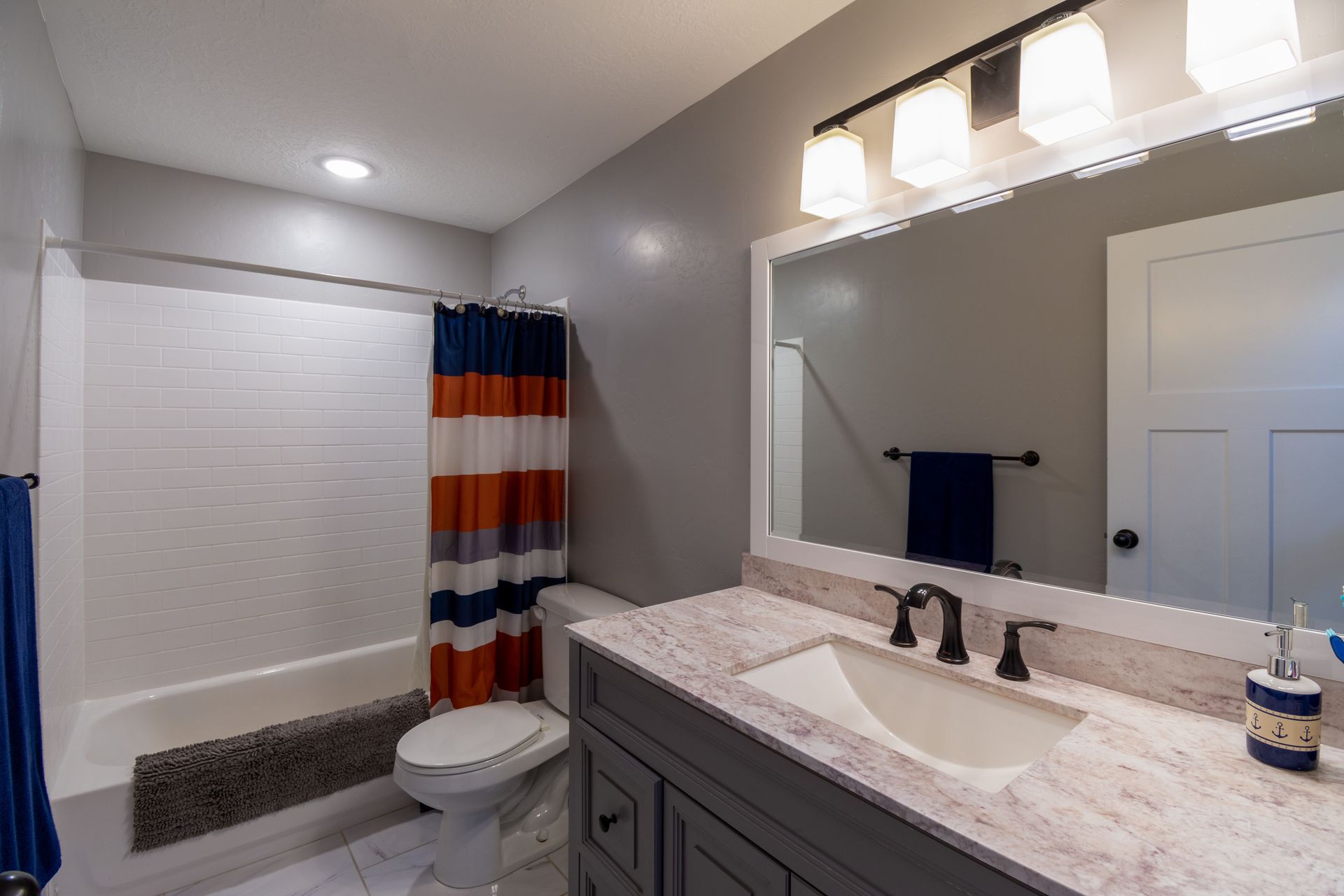
Bathroom and kitchen remodeling projects involve sequencing decisions and fixture compatibility questions that affect both timelines and final results.
Questions Before Starting Your Remodeling Project
What plumbing work happens before tile and cabinetry installation?
Rough-in plumbing includes all supply lines, drain piping, and valve bodies that sit inside walls or under floors. Inspections verify this work before surfaces close up, since accessing pipes afterward requires cutting through finished tile or drywall.
How does fixture selection affect rough-in dimensions in Oyster Bay remodeling projects?
Faucet hole spacing, toilet drain location, and shower valve height all follow specific measurements that must match the selected fixtures. Ordering fixtures before rough-in begins prevents misalignment that forces returns or last-minute substitutions when original choices don't fit.
When should water supply lines be replaced during a remodel?
If existing piping shows corrosion, reduced flow, or previous leak repairs, replacing supply lines during demolition avoids future failures hidden behind new tile and cabinets. Copper or PEX supply lines installed during remodeling typically outlast the fixtures they serve.
What causes low water pressure after bathroom upgrades?
Debris from soldering or sediment dislodged during piping work clogs faucet aerators and showerhead screens. Flushing supply lines before final fixture installation and cleaning aerators afterward restores full pressure.
How long does complete bathroom plumbing installation take from start to finish?
Rough-in work typically completes in one to two days depending on fixture count and piping modifications, followed by final fixture installation after finishing work wraps up. Scheduling inspections promptly prevents gaps that delay subsequent construction stages.
Smyth Plumbing, Inc provides detailed estimates that separate demolition, rough-in, inspection, and final installation costs, helping homeowners and contractors budget accurately for plumbing work throughout the remodeling process. Schedule a consultation to discuss your fixture selections and remodeling timeline.